
How Do Data Centers Secure My Data?
Every website on the internet is stored on a server, a specialized computer built for data storage and delivery. The majority of servers live inside data centers, large warehouses dedicated to providing optimal storage conditions for servers.
When you partner with a web host for storing your website data, you upload your information to a server within a data center. Each data center is equipped to keep data as stable and secure as possible, through:
- Heating and cooling systems for continuous airflow
- Power backups to prevent outages
- Extended security measures to keep intruders from accessing your data
When you sign a contract with a web hosting provider like WestHost, there is an expectation that they will prevent data theft and avoid catastrophe. The best web hosts have infrastructure that protects data around the clock. But how is this actually accomplished?
Below, we break down exactly how WestHost keeps your website data secure from both man-made and natural mishaps.
What Is a Data Center?
A data center is essentially a purpose-built home for servers. Rather than storing a server in an office cupboard, data centers give servers the stable temperature, power supply, and security they need to run without interruption. This is where your website data physically lives once you sign up with a web host.

Physical Security at WestHost Data Centers
Data centers must be kept secure from outside intrusion. WestHost accomplishes this through several layers of physical security, including:
- Multi-level biometric access controls
- Round-the-clock surveillance
- On location security guards
- Mantraps, a clever entry system explained below
How Mantraps Protect Data Center Access
A mantrap requires multi-factor verification before anyone can enter the data center floor. For example, a name badge is used to enter the mantrap, while facial recognition is required to exit it. If a person’s face does not match the scan on file, the authorities are automatically alerted, and the individual remains trapped until security releases them.
This layered approach means that even if one security measure was somehow bypassed, several more stand in the way of anyone trying to reach your data.
Redundancy Measures That Keep Website Data Online
WestHost data centers are fully redundant, meaning your website data stays protected even when something goes wrong. Key redundancy measures include:
- Automatic backup generators that activate instantly if power lapses, avoiding any service disruption
- High-quality heating and cooling systems that help hardware last longer and reduce unnecessary downtime
- Network and infrastructure built specifically for speed and reliability
This redundancy is a core part of how WestHost prevents small hardware issues from turning into major data loss.
Why Data Center Location Matters for Data Security
Every WestHost data center location is chosen carefully, based on two main factors: the likelihood of natural disasters in the area and access to high-powered networks nearby. As a result, locations tend to sit close to major cities, while remaining set apart from the busiest urban centres.
Inside each data center, physical security continues down to the server level:
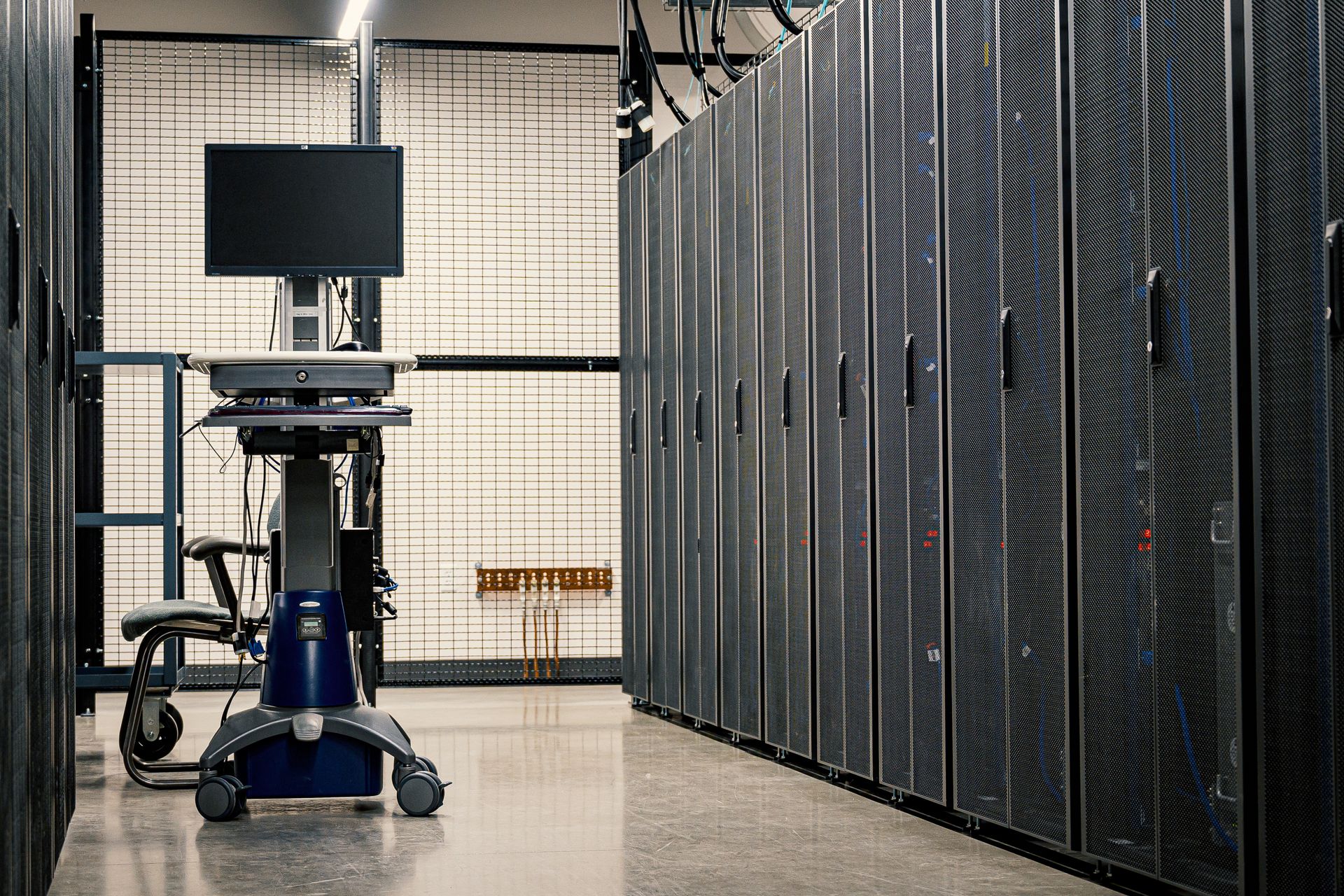
- Servers are locked within individual racks
- Racks are locked again within their row
This double layer of locking makes it extremely difficult for anyone to physically access the data stored on an individual server.
Digital Security: What You Can Control
While WestHost secures the physical data center environment, digital security is largely left up to each client. That said, WestHost offers tools to make protecting your website data easier, including:
- Two-factor authentication. Adds an extra login step beyond your password, making it much harder for unauthorised users to access your account. Learn more in the WestHost knowledgebase.
- SiteLock security services. A trusted malware detection service that regularly scans your website for malicious code that could create vulnerabilities in your data. Find out more about SiteLock on WestHost.com.
Taking advantage of these tools alongside WestHost’s data center security gives your website data protection from both ends, physical and digital.
The Bottom Line
Keeping website data secure takes a combination of physical infrastructure and digital vigilance. From biometric mantraps and redundant power systems to two-factor authentication and malware scanning, WestHost layers multiple protections around your data so you can focus on running your website with peace of mind.