
Four Reasons Why Apple's "Pinch to Zoom" Patent Has Been Rejected by the U.S. Patent Office
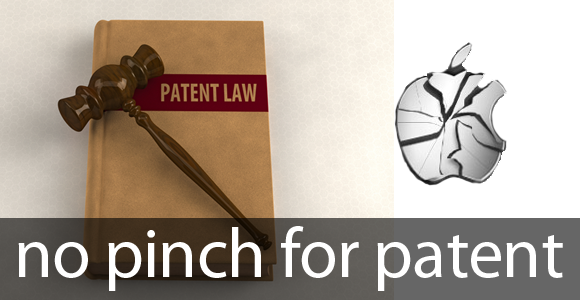
The U.S Patent and Trademark Office in a preliminary ruling invalidated U.S patent number 7,844, 915. The patent was Apple Inc.’s “Pinch to Zoom” patent that was one of the key pieces, out of six, of its intellectual property lawsuit against Samsung. The agency ruled out all claims in Apple’s patent on the primary basis that prior patents covered similar technological invention. In context, the trial is just a tip of the iceberg of the ongoing court battles between technological companies that have spewed courtrooms spanning across the globe. Of importance to note is that Apple has become an omnipresent player in these court battles; fighting both Google Inc. and Samsung.
Some of the reasons why Apple’s “pinch to zoom” patent was rejected include:
- Reexamination Results
- Unverifiable Damage
- Nefarious Plans of the Patent
- Nature of Software Patenting Process
As pointed out from the agency’s reexamination report, the patent was revoked on the basis that prior patents featured certain key aspects of the invention. This made Apple’s patent claims invalid as “prior art patent and printed publication cited” the existence of the technology.
According to the ruling, there was no explicit evidence that Samsung infringed or copied Apple’s technology hence no damage can be linked to Samsung’s actions.
It’s obvious that Apple’s claim to have invented most of the technologies associated with touches screens, from basic touch to gesture control, are coming under increased scrutiny. Most industry players who view some of the patents held by Apple as measures to monopolize the lucrative touch screen industry back this view.
Typically, software patents are simply created by wrapping well-known ideas/technologies in arcane programming language. In most instances, the patent office just accepts and grants the patents, as it’s the easiest thing to do especially when there is a shortage of time and the required verifying skill. Its only when the patent is under court scrutiny that due diligence is carried out to verify its authenticity and ingenuity. This is what actually transpired in this case.
With the positive ruling from this case, Samsung is upbeat that it will succeed in seeking a retrial on the recent controversial $1 billion damage fine it was slapped with. The move is intended to seek a reversal of the ruling or the material reduction in damage fees. One thing for certain is that the boardroom tech wars experienced this year will spew over to 2013, albeit with more vigor.